Industry Insights
Order Fulfillment Process: A Step-by-Step Guide
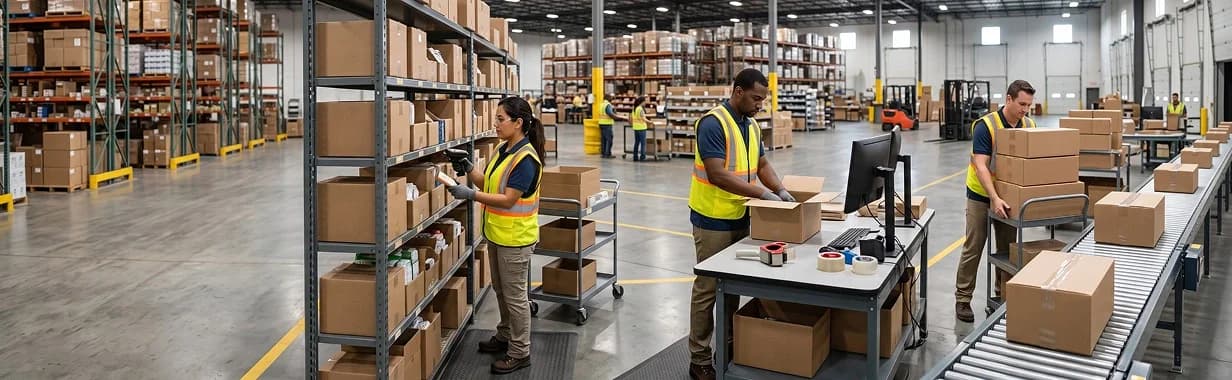
In the world of rapid e-commerce, customer satisfaction depends highly on speed, precision, and reliability. The moment that a consumer hits the "Place Order" button on their online store, a whole chain of processes gets underway behind the scenes. These processes are collectively called the order fulfillment process.
If you own a boutique online store, multichannel retail operation, or D2C brand, then being proficient in order processing and fulfillment will determine your survival and success. This complete guide will help you discover what is order fulfillment process is, learn all important order fulfillment process steps, and get valuable insights on how to improve order fulfillment process efficiency.
What is Order Fulfillment Process?
In other words, exactly what is order fulfillment process? Order fulfillment process refers to all processes involved in the receipt, processing, packaging, shipment, and delivery of goods to the customer following completion of orders through either online or offline means.
The smooth sales order process connects order creation with customer retention. The effectiveness of order fulfillment processing is what guarantees delivery of the right products at the right time and in good condition to the customer.
The 6 Essential Order Fulfillment Process Steps
Depending on the company size and how fulfilment is managed by the company itself or via a third-party logistics service provider, there could be some variations in workflows, but normally the six main steps for the sales order fulfillment process include:
1. Receiving & Storage
↓
2. Order Capture
↓
3. Picking
↓
4. Packing
↓
5. Shipping
↓
6. Returns Management
Step 1: Receiving and Storing Inventory
To make sales to customers, inventory needs to be received and recorded. This step entails receiving goods from the supplier or manufacturer, inspecting them for damage, counting the units, and recording the Stock Keeping Units in your Warehouse Management Software. These items are later stored properly on designated shelves.
Step 2: Order Entry and Data Gathering
The operational process is triggered through the transaction of a buyer. The purchase information automatically gets integrated into the warehouse system through e-commerce software integration. With modern fulfilment order processing, this data gets immediately sent to the inventory system, where stock levels get updated, payment authorisations confirmed, and picking lists created.
Step 3: Order Picking
When an order arrives at the warehouse queue, the required products are picked either manually by pickers or using automated warehouse robots from the respective storage areas. There are different warehouse order-picking methods depending on:
- Piece Picking: Selection of individual items against one order sheet only.
- Batch Picking: Selection of items from many order sheets in one passage through the warehouse aisles.
- Zone Picking: Pickers are allocated different zones in the warehouse where they can pick their items.
Step 4: Packaging
Selected products are conveyed to the packaging area, where employees verify the items based on the packing list. These products are then packaged using suitable packaging material (boxes, poly mailers, bubble wrap, and void fill) in order to ensure that the products are protected during transportation while maintaining dimensional weight and shipping costs.
Step 5: Dispatch by Shipping/Courier
This parcel is sorted on the basis of its carrier, which could be FedEx, UPS, DHL, or any other local mail carrier. The parcels are dispatched to the clients, and tracking information is generated and sent to the client via email.
Step 6: Returns Management (Reverse Logistics)
This is the last stage under the order fulfillment process steps that takes place when a customer wants to make returns or exchanges. Reverse logistics includes providing return labels, returning packages, checking for damages on the returned items, offering refunds or exchanges, and either stocking returned undamaged products or disposing of returned damaged products.
Order Processing & Fulfillment Summary Table
| Stage | Key Action Items | Operational Goal |
|---|---|---|
| 1. Receiving & Storage | Unloading, quality inspection, inventory logging | Accurate stock control & visibility |
| 2. Order Capture | System sync, payment verification, pick list generation | Real-time order synchronisation |
| 3. Picking | Item retrieval via batch, zone, or piece picking | Speed and pick accuracy |
| 4. Packing | Box sizing, protective wrap, labelling | Damage prevention & cost reduction |
| 5. Shipping | Carrier handover, tracking number dispatch | On-time final delivery |
| 6. Returns | Inspection, customer refunding, inventory restocking | Hassle-free post-purchase experience |
How to Improve Order Fulfillment Process for Scalability
As the level of sales increases, inefficient management of warehouse processes might cause delays in shipments, out-of-stock items, and high levels of returns. If you want to learn about improving order fulfillment process performance, here is what you should consider doing:
1. Automated Integration Across Systems
Data entry by hand is always subject to human mistakes. Direct integration between your web store and your WMS/ERP software is necessary. Automated fulfillment order processing cuts down the processing time from hours to mere seconds.
2. Optimisation of Warehouse Layout and Slotting
The design of your warehouse needs to be done in a manner where the travel time of the pickers is minimised. Place your high-speed SKUs near the packing zones and manage your aisles effectively in your warehouse.
3. Distribute Your Inventory
If you are catering to an international market or the whole nation, placing your inventory in several different regional warehouses helps you save on transportation costs by reducing transit time.
4. Work With a Specialist 3PL Company
Hiring a specialist 3PL logistics company for order processing and fulfilment provides growing companies with an opportunity to immediately benefit from already-existing infrastructure, shipping economies of scale, warehouse automation, and qualified logistics personnel without making huge investments.
Get TradeOne CRM For Order Fulfillment Process
TradeOne CRM is a well-structured framework for a smooth order fulfillment process-it is a competitive advantage that directly impacts your brand reputation and bottom line. Our team thoroughly comprehends your requirements and implements advanced strategies on how to improve order fulfillment process.
Our centralised CRM dashboard connects all the stakeholders at once and helps make fast, data-driven decisions. Let your business deliver reliable, speed-driven experiences with TradeOne CRM. We help you transform your first-time buyers into lifelong brand advocates.
FAQs
The order fulfillment process is a complete set of activities regarding receipt, processing, packing, shipping, and delivering customer orders, together with returns management.
Topics
Book a Demo
Talk to our experts
About the Author